
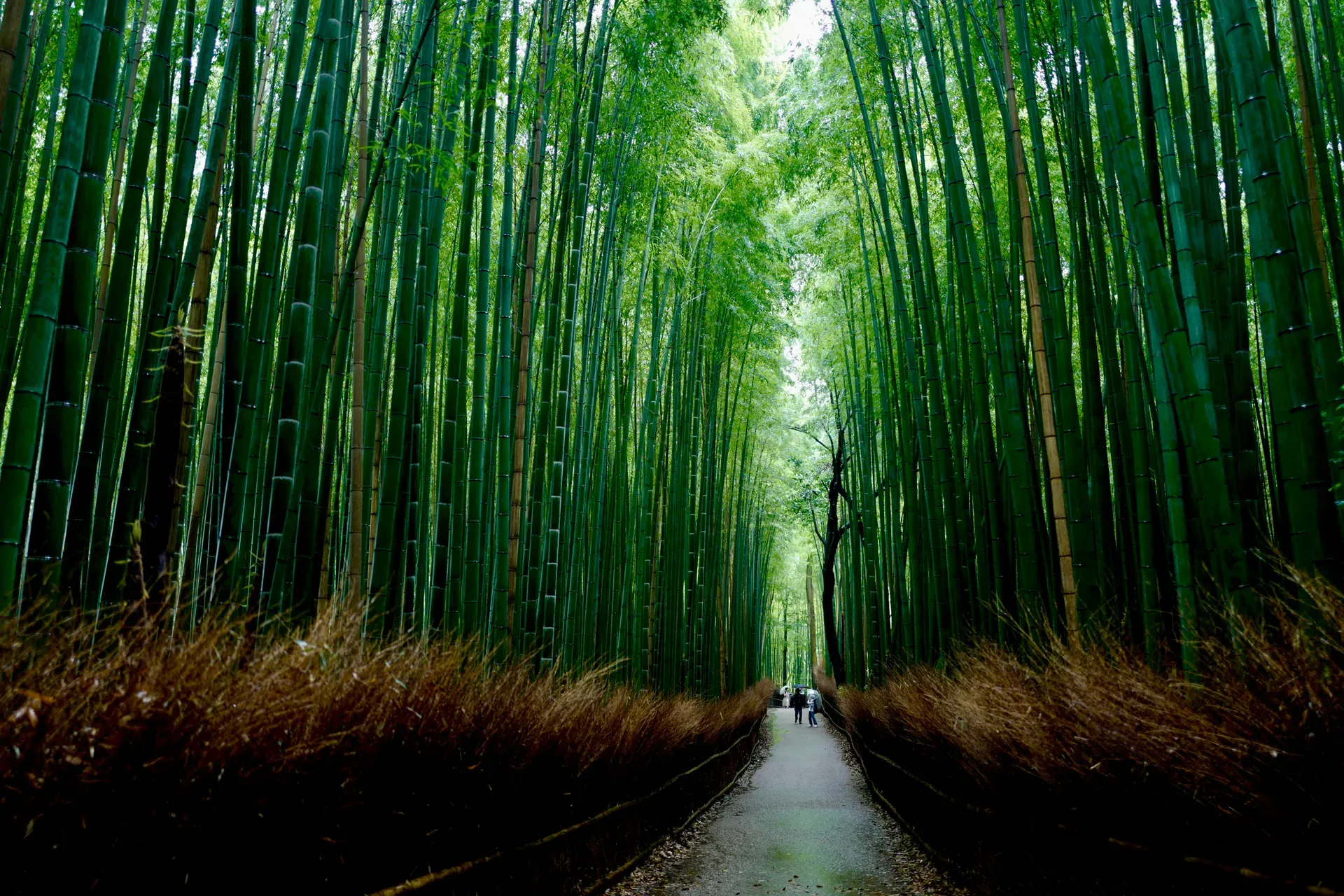
Entry to the 400-meter Arashiyama Bamboo Grove costs 0 JPY, and the pedestrian path stays open 24 hours a day. Arriving after 8:00 AM means sharing the narrow trail with heavy crowds and passing rickshaws.
The Arashiyama Bamboo Grove remains open 24 hours a day, seven days a week. No gates block the 400-meter pedestrian path, allowing entry at any time. Walking the route after sunset becomes hazardous due to a lack of lighting, except during the Hanatoro festivals in December and March.
| Day | Hours | Note |
|---|---|---|
| Monday–Sunday | 24 hours | Arrive before 08:00 or after 18:00 to avoid peak daily crowds. |
The public path never closes for national holidays or religious observances. You can access the grove 365 days a year without restriction. Temporary lighting installations appear only during the Hanatoro festivals in early spring and winter.
Entry to the Arashiyama Bamboo Grove is free.
The main 400-meter pedestrian path remains open 24 hours a day without ticket booths or gates. Expect to pay separate admission fees if you cross into the adjacent Tenryu-ji Temple or visit the Okochi Sanso Villa at the western end.
The entire Arashiyama Bamboo Grove is completely free to enter every day of the year.
Planning your visit to Arashiyama Bamboo Grove? Find tours with free cancellation and skip-the-line options.
View All ToursArrive before 8:00 AM to walk the 400-meter path in relative quiet. Tourist numbers peak between 11:00 AM and 3:00 PM, packing the corridor and making the space feel claustrophobic. May and June offer the greenest stalks, while August brings high humidity and mosquitoes.
Expect to spend 30 to 60 minutes inside the Arashiyama Bamboo Grove.
Walking the 400-meter paved path takes 15 to 20 minutes, but heavy crowd surges between 11:00 AM and 3:00 PM often slow progress to a crawl. Hiring a traditional rickshaw or climbing the western slope toward Okochi Sanso Villa extends the total timeline.
Arrive before 8:00 AM or after 6:00 PM to bypass the heavy foot traffic that jams the path between 11:00 AM and 3:00 PM. Weekdays and rainy days drop the headcounts significantly. The grove lacks nighttime illumination, making post-sunset walks entirely dark outside of the December and March Hanatoro festivals.
Enter the forest through the North Gate of Tenryu-ji Temple to skip the packed main street. This route transitions directly from a 14th-century Zen garden into the towering green stalks. You avoid the thickest pedestrian bottlenecks right at the start.
Walk toward the western end of the path near Okochi Sanso Villa to secure empty spaces for photography. Heavy foot traffic renders tripods and selfie sticks useless along the primary 400-meter stretch. The terrain shifts to an uphill slope here, thinning out the casual walkers.
High humidity and dense mosquito populations fill the grove throughout August. Pack strong insect repellent if visiting during these summer months. April and November trigger extreme tourist congestion, while May and June deliver the greenest stalks without the severe seasonal crushes.
Use the restrooms at the train stations or inside Tenryu-ji Temple before entering. The forest contains zero public facilities. Expect to walk over two kilometers total, sharing the narrow pedestrian path with occasional rickshaws and delivery bicycles.
Entry costs 0 JPY. The main pedestrian path requires no tickets or advance reservations. Separate fees apply if you enter the adjacent Tenryu-ji Temple or Okochi Sanso Villa.
The grove stays open 24 hours a day. Walking the path after sunset becomes hazardous due to total darkness, as the area lacks permanent lighting. Illuminations only occur during specific events like the December or March Hanatoro festival.
Arrive before 8:00 AM or after 6:00 PM. Tourist congestion peaks between 11:00 AM and 3:00 PM, causing the narrow 140-meter-wide path to feel claustrophobic. Visiting on a rainy day or a weekday drastically reduces foot traffic.
Walking the 400-meter main path takes 15 to 20 minutes at a slow pace. Most visitors spend 30 to 60 minutes total in the area. Head to the western end near Okochi Sanso to find empty sections for photographs.
The forest path lacks public restrooms. Use the facilities at nearby train stations before arriving. Tenryu-ji Temple offers toilets inside its grounds, but entry requires paying a separate admission fee.
Smooth, paved asphalt covers the main path. Manual wheelchair users may need assistance toward the Okochi Sanso Villa, where the flat terrain transitions into a steep uphill slope. Rickshaw services operate nearby for visitors with limited mobility.
Drones are strictly prohibited without a permit from local authorities. Tripods and selfie sticks prove impractical due to heavy foot traffic and shared use of the path with delivery bicycles. Vandalizing the 10-to-30-meter stalks results in fines under local preservation laws.
Browse verified tours with free cancellation and instant confirmation.
Find Tours